For most families, a home is their largest financial investment. While homeowners insurance cannot prevent unexpected events, it can help protect your finances when covered losses occur. Understanding the most common homeowners insurance claims—and knowing how to reduce your risk—can help you avoid costly surprises while ensuring you're better prepared if something does happen.
Whether you own a home in Johnson City, Kingsport, Bristol, or elsewhere across Northeast Tennessee, certain risks are more common than others. Water damage from burst pipes, wind and hail storms, fallen trees, fire, theft, and liability claims are among the leading reasons homeowners file insurance claims each year.
While every insurance policy is different, most standard homeowners insurance policies provide protection against many of these unexpected events. Knowing what is—and isn't—covered is one of the best ways to protect both your home and your financial future.
If you're new to homeownership, our Buying a House guide is another helpful resource before choosing your homeowners insurance coverage.
What Is a Homeowners Insurance Claim?
A homeowners insurance claim is a request you submit to your insurance company after a covered loss damages your home or personal property. If the claim is covered under your policy, your insurance company may pay to repair or replace damaged property, less any applicable deductible.
Most homeowners insurance policies are designed to cover sudden and accidental losses. Examples include fire, wind damage, theft, or a burst water pipe.
However, homeowners insurance generally does not cover damage that occurs gradually because of wear and tear, deferred maintenance, neglect, or aging building materials. Understanding this distinction helps homeowners avoid unpleasant surprises when filing a claim.
If you're unsure about your current coverage, reviewing your policy with a licensed insurance advisor can help identify any gaps before a loss occurs.
What Does Homeowners Insurance Typically Cover?
Although coverage varies by insurance company and policy type, most standard homeowners insurance policies provide protection for four primary areas.
The first is your home's structure, including the dwelling itself and attached structures like garages or decks. If your home is damaged by a covered peril such as fire, wind, hail, or lightning, your policy may help pay for repairs or rebuilding.
Most policies also provide coverage for personal belongings, including furniture, clothing, electronics, and many household items if they are damaged or stolen during a covered event.
Another important component is personal liability coverage. If someone is injured on your property and you are legally responsible, liability coverage may help pay legal expenses, settlements, or medical costs.
Finally, many homeowners policies include Additional Living Expenses (ALE) coverage. If your home becomes temporarily uninhabitable after a covered loss, this coverage may help pay for temporary housing, meals, and other necessary living expenses while repairs are completed.
For homeowners with higher-value homes or unique insurance needs, you may also want to review high value home insurance options.
What Homeowners Insurance Typically Does NOT Cover
One of the biggest misconceptions homeowners have is assuming their policy covers every type of damage. In reality, standard homeowners insurance policies contain important exclusions.
For example, flood damage is generally not covered by standard homeowners insurance. Flood insurance is typically purchased separately through the National Flood Insurance Program (NFIP) or a private flood insurance carrier.
Likewise, earthquake damage usually requires separate coverage or an endorsement, depending on where you live.
Damage resulting from wear and tear, poor maintenance, termites, insects, rodents, mold caused by long-term moisture issues, and sewer backups is also commonly excluded unless additional coverage has been purchased.
Understanding these exclusions allows homeowners to make informed decisions about optional endorsements and supplemental policies.
Water Damage Claims (Non-Flood)
Water damage remains one of the most common homeowners insurance claims across the United States. In Tennessee, winter freezes, burst pipes, plumbing failures, appliance malfunctions, and sudden roof leaks following severe storms frequently result in costly water damage claims.
Most homeowners insurance policies cover sudden and accidental water damage, such as a burst pipe or an overflowing washing machine. However, damage caused by long-term leaks, neglected maintenance, or flooding is generally excluded.
Because water damage can spread quickly throughout a home, taking immediate action is critical. Knowing where your home's main water shutoff valve is located can significantly reduce the severity of a loss.
Regular maintenance also goes a long way toward preventing claims. Inspect plumbing connections, replace aging appliance hoses, clean gutters, and have your roof inspected periodically to identify small issues before they become expensive repairs.
Fire and Smoke Damage Claims
Although less common than water damage, fire losses remain among the most severe homeowners insurance claims because they often involve significant structural damage and personal property loss.
Standard homeowners insurance policies generally cover damage caused by fire, smoke, and lightning. This coverage may also include debris removal and temporary living expenses while your home is being repaired.
Preventing fire losses starts with routine maintenance. Test smoke detectors monthly, replace batteries as recommended, inspect electrical systems in older homes, avoid overloading outlets, and never leave cooking unattended.
If you live in an area prone to wildfires, maintaining defensible space around your home and clearing gutters of debris can also reduce risk.
Theft and Vandalism Claims
Most homeowners insurance policies cover personal belongings that are stolen during a covered burglary, as well as damage caused by vandalism.
If valuable items such as jewelry, artwork, firearms, or collectibles exceed your policy's standard limits, additional scheduled personal property coverage may be appropriate.
Simple security improvements can significantly reduce the likelihood of theft. Deadbolt locks, monitored alarm systems, motion-activated lighting, video doorbells, and strong relationships with neighbors all help deter criminal activity.
When traveling, avoid announcing vacations publicly on social media until after returning home.
Wind and Hail Damage Claims
Across much of the United States—and especially in Tennessee—wind and hail are among the leading causes of homeowners insurance claims. Severe thunderstorms, straight-line winds, tornadoes, and hailstorms can damage roofs, siding, windows, gutters, fences, and other structures on your property.
Most standard homeowners insurance policies cover sudden wind and hail damage, although some policies in higher-risk areas may have separate wind or hurricane deductibles. Reviewing your deductible before storm season can help you avoid surprises if you ever need to file a claim.
Preventing storm damage begins with routine home maintenance. Trim dead or overhanging tree limbs, inspect your roof regularly for loose or damaged shingles, secure outdoor furniture before severe weather, and clean gutters to ensure water drains properly. If you live in an area that frequently experiences hail, impact-resistant roofing materials may also be worth considering during your next roof replacement.
In Northeast Tennessee, strong spring storms and remnants of tropical systems occasionally produce damaging winds and hail. Staying informed about weather conditions and addressing minor roof damage quickly can help prevent much larger insurance claims later.
Liability Claims
Not all homeowners insurance claims involve damage to your house. Personal liability claims are another important part of most homeowners insurance policies.
If someone is accidentally injured on your property and you are found legally responsible, your liability coverage may help pay medical expenses, legal defense costs, or settlements up to your policy limits. Examples include a guest slipping on an icy walkway, a visitor falling on damaged steps, or your dog biting someone, subject to your policy terms and any breed or other exclusions.
While homeowners cannot prevent every accident, reducing hazards around your property can significantly lower the risk of liability claims. Repair broken sidewalks, maintain handrails, remove trip hazards, keep walkways well lit, and routinely inspect decks, porches, and stairs for safety.
For homeowners looking for additional liability protection beyond their homeowners policy limits, an umbrella insurance policy may provide an extra layer of financial security.
Smart Homeowners Insurance Practices
One of the best ways to protect your home is to combine good maintenance habits with a clear understanding of your insurance policy.
Review your homeowners insurance annually, especially after major renovations or improvements that could increase your home's replacement cost. Keeping your coverage up to date helps reduce the risk of being underinsured after a major loss.
Creating a home inventory is another valuable step. Take photos or videos of each room, keep receipts for major purchases when possible, and store copies electronically using cloud storage or another secure location. If you ever experience a major loss, this documentation can make the claims process much smoother.
It's also important to understand your deductible before filing a claim. For smaller losses, paying out of pocket may make more financial sense than filing a claim, particularly if the repair cost is close to your deductible. A trusted insurance advisor can help you evaluate when filing a claim is appropriate.
Finally, report covered losses promptly. Delaying a claim can complicate the investigation process and may even affect coverage depending on the circumstances.
Common Homeowners Insurance Claims in Tennessee
While every home is unique, homeowners in Tennessee often experience claims related to:
- Wind and hail damage from severe thunderstorms
- Water damage from burst pipes during winter freezes
- Fallen trees during storms
- Fire and smoke damage
- Theft and vandalism
- Liability claims involving injuries on the property
Understanding these common risks allows homeowners to prioritize preventative maintenance and review their insurance coverage before problems occur.
For official consumer information about homeowners insurance in Tennessee, visit the Tennessee Department of Commerce & Insurance.
Frequently Asked Questions
What is the most common homeowners insurance claim?
Water damage and freezing-related pipe claims are among the most common homeowners insurance claims in the United States. Wind and hail damage are also frequent causes of claims, particularly in states like Tennessee.
Does homeowners insurance cover water damage?
Generally, homeowners insurance covers sudden and accidental water damage, such as a burst pipe or an overflowing appliance. However, it typically does not cover flood damage or long-term leaks caused by poor maintenance.
Does homeowners insurance cover roof leaks?
It depends on what caused the leak. If the leak results from a covered event, such as wind or hail damage, homeowners insurance may provide coverage. Leaks caused by normal wear and tear or lack of maintenance are generally not covered.
Does homeowners insurance cover fallen trees?
If a tree falls because of a covered peril, such as wind or lightning, homeowners insurance typically covers damage to your home and may also help pay for debris removal, subject to your policy limits.
What is usually not covered by homeowners insurance?
Standard homeowners insurance policies generally do not cover flood damage, earthquakes, normal wear and tear, pest infestations, long-term maintenance issues, or sewer backups unless additional coverage has been added.
How can I lower my homeowners insurance premium?
Maintaining your home, improving security, updating older systems, increasing your deductible when appropriate, and bundling multiple policies with the same insurance company may help lower your premium. Eligibility for discounts varies by insurer.
When should I file a homeowners insurance claim?
You should report a claim as soon as reasonably possible after experiencing a covered loss. If you're unsure whether damage exceeds your deductible or whether it is likely to be covered, contacting your insurance advisor before filing may help you make an informed decision.
Conclusion
Homeowners insurance is designed to protect one of your most valuable investments, but getting the most from your policy starts long before you ever need to file a claim. Understanding the most common causes of homeowners insurance claims—including water damage, fire, theft, wind, hail, and liability losses—can help you take practical steps to reduce risk and protect your property.
Regular home maintenance, a clear understanding of your coverage, and periodic policy reviews can go a long way toward preventing unexpected surprises. As your home, family, and financial situation change, your insurance coverage should evolve as well.
If you're a homeowner in Johnson City, Kingsport, Bristol, or anywhere in Northeast Tennessee, Veritas Risk Management can help you review your current homeowners insurance, identify potential coverage gaps, and make sure your policy fits your needs—not just today, but for years to come.
Andrew Darlington is the Founder and President of Veritas Risk Management & Insurance Services. Holding four of the industry’s most prestigious designations—Certified Insurance Counselor (CIC), Certified Risk Manager (CRM), Accredited Adviser in Insurance (AAI), and Certified Builders Insurance Agent (CBIA)—Andrew brings elite technical mastery to small and medium-sized businesses across Tennessee.
Driven by a deeply personal mission to protect families and businesses from catastrophic loss, Andrew combines advanced digital intelligence with authentic, compassionate advisory. When he isn’t helping contractors secure their legacies, he can be found serving as an Elder at Westminster Presbyterian Church or cheering on the Tennessee Vols.


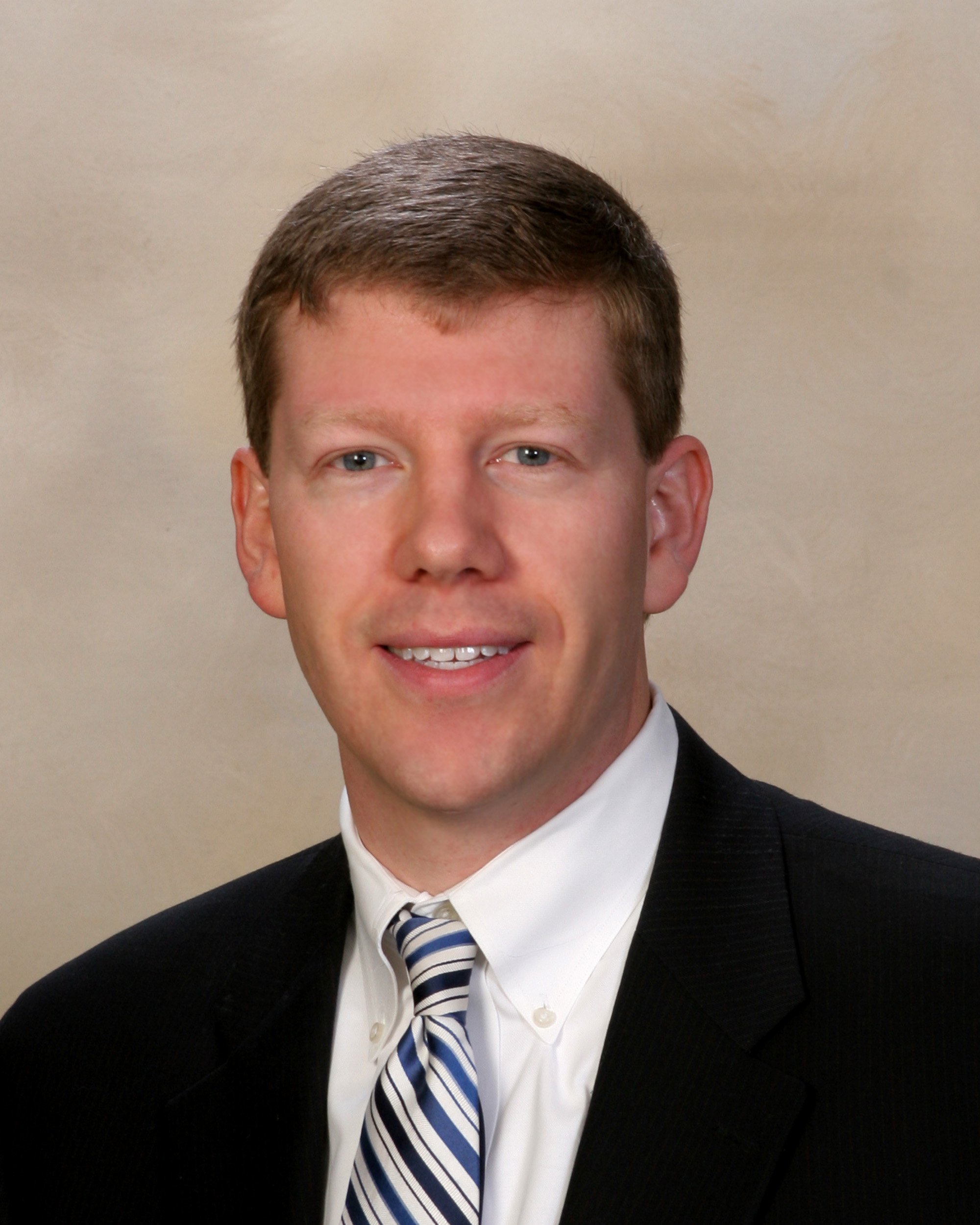 Andrew Darlington

.jpg)
 Andrew Darlington : July 20, 2026 at 6:00 AM
%20(Facebook%20Ad).jpg)