Choosing the right health coverage for your small business is one of the most important decisions you will make as an employer. Health insurance affects not only the financial stability of your company, but also employee satisfaction, retention, and long-term productivity. For small businesses in Johnson City, Kingsport, Bristol, and across Northeast Tennessee, understanding how to evaluate health plans carefully can help you build a benefits strategy that supports both your workforce and your budget.
This guide explains why health coverage matters for small businesses, what plan types are available, and how to compare providers so you can make a confident and informed decision.
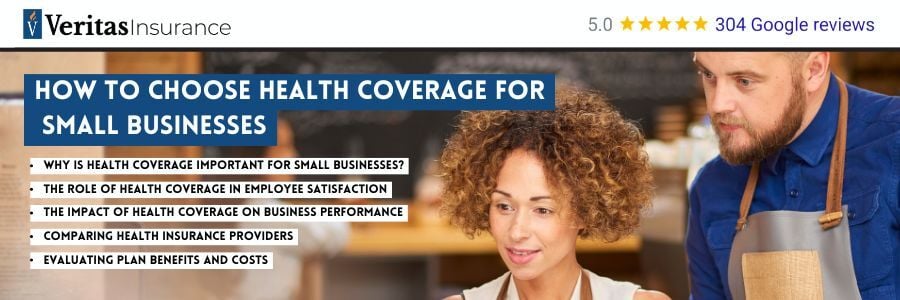
Why Health Coverage Matters for Small Businesses
Health coverage is one of the most valued employee benefits in the United States. Even small organizations often find that offering health insurance significantly improves their ability to attract and retain talented employees. When workers know they have access to reliable medical care, it reduces financial stress and increases workplace stability.
Providing health coverage also demonstrates that a company is invested in the well-being of its team. Employees who feel supported by their employer are generally more engaged, more productive, and more likely to stay with the organization long-term. Over time, this can reduce recruitment costs and create a healthier workplace culture.
Many employers combine medical coverage with additional benefits such as dental or disability coverage in order to create a more complete employee benefits package. If you are exploring coverage options, you can learn more about available group health insurance options here:
https://veritasrm.com/group-health-insurance/
How Health Coverage Supports Business Performance
Access to health care can have a measurable impact on business performance. Employees who have health insurance are more likely to seek preventive care and address medical issues earlier, which reduces the likelihood of serious health problems later.
For small businesses, this often translates into fewer missed workdays and greater productivity. When employees are able to manage their health effectively, companies experience fewer disruptions and lower turnover. In many cases, the long-term stability gained from offering health coverage outweighs the initial cost of providing the benefit.
Comparing Health Insurance Providers
When evaluating health insurance providers, it is important to consider more than just the monthly premium. One of the first factors to review is the strength of the provider network. Employers should verify that local hospitals, physicians, and specialists participate in the plan network, especially in regions like Northeast Tennessee where provider participation may vary by carrier.
Customer service is another important consideration. Reliable claims processing, responsive support teams, and clear communication can make a significant difference when employees need assistance navigating their benefits. Many carriers also provide online portals, telehealth services, and wellness programs that can improve the overall experience for both employers and employees.
Types of Health Coverage Plans for Small Businesses
Small businesses typically choose from several common types of health insurance plans. Each structure balances cost, provider flexibility, and administrative complexity in different ways.
Health Maintenance Organization (HMO) plans generally require employees to select a primary care physician and obtain referrals for specialist visits. Because care is coordinated within a defined network, HMO plans often have lower premiums compared to other plan types.
Preferred Provider Organization (PPO) plans offer more flexibility. Employees can typically see specialists without referrals and may have the option to visit providers outside the network, although doing so usually results in higher out-of-pocket costs. PPO plans are often preferred by employees who want greater freedom when choosing health care providers.
Point of Service (POS) plans combine elements of both HMO and PPO plans. Employees may choose in-network providers for lower costs or visit out-of-network providers if they are willing to pay additional cost-sharing. These plans attempt to balance cost control with provider flexibility.
High-Deductible Health Plans (HDHPs) are another common option. These plans usually have lower monthly premiums but higher deductibles. In many cases they can be paired with Health Savings Accounts (HSAs), which allow employees to set aside pre-tax funds for qualified medical expenses. For a deeper explanation of how these plan structures work, you can review our guide to health insurance basics here:
https://veritasrm.com/insurance-simple/health-insurance-basics/
Understanding Health Plan Enrollment
Selecting a health insurance plan also requires understanding how enrollment works. Most small business health plans follow annual renewal cycles, meaning employers typically select or update coverage once per year. During this period, employers must review plan options, confirm participation requirements, and determine employer contribution levels.
Eligibility rules can vary depending on the size of the company and the specific insurance carrier. Employees generally enroll during the employer’s open enrollment period, although qualifying life events such as marriage or the birth of a child may allow changes during the year.
Health Reimbursement Arrangements
Some small businesses explore Health Reimbursement Arrangements (HRAs) as a way to help employees manage health care expenses. HRAs allow employers to reimburse employees for qualified medical costs, offering flexibility in how benefits are structured.
Different forms of HRAs exist, including Individual Coverage HRAs (ICHRAs) and Qualified Small Employer HRAs (QSEHRAs). These arrangements can provide tax advantages and allow employers to tailor benefits to their workforce. However, compliance rules and funding structures should be reviewed carefully before implementation.
Building a Comprehensive Benefits Package
Health insurance is often the foundation of a broader employee benefits strategy. Many employers enhance their health plans by offering additional coverage options such as dental insurance, vision coverage, life insurance, or disability insurance. These benefits help address a wider range of employee needs and contribute to overall financial security.
When designed thoughtfully, a comprehensive benefits package demonstrates a company’s commitment to employee well-being while strengthening recruitment and retention efforts. Health coverage should also align with your overall business insurance strategy, which may include other forms of protection for both your employees and your company.
Addressing Cost Concerns
Cost is one of the most common challenges small businesses face when choosing health coverage. To manage expenses effectively, employers should evaluate both the short-term and long-term financial implications of a plan.
This includes reviewing premiums, deductibles, copayments, and network access. While lower premiums may appear attractive, they may also come with higher out-of-pocket costs for employees. Employers should aim to balance affordability with meaningful coverage so that employees can actually use the benefits when needed.
Getting Expert Guidance
Navigating health insurance options can be complex, especially for small business owners who are balancing many responsibilities. Working with a licensed insurance advisor can help simplify the process by providing access to multiple carriers and explaining the differences between plan structures.
An experienced advisor can also help businesses evaluate provider networks, structure employer contributions, and manage plan renewals each year. If you would like assistance reviewing health coverage options for your business, you can request a quote or consultation.
Local Resources for Small Businesses
Small business owners in Northeast Tennessee often rely on local organizations for networking and workforce support. Business groups such as the Johnson City Chamber of Commerce and the Kingsport Chamber of Commerce regularly provide resources, training opportunities, and connections that help employers grow and support their teams.
Johnson City Chamber of Commerce
https://johnsoncitytnchamber.com/
Kingsport Chamber of Commerce
https://www.kingsportchamber.org/
Frequently Asked Questions
What health insurance options are available for small businesses?
Small businesses typically choose from HMO, PPO, POS, or high-deductible health plans depending on cost structure and provider flexibility.
How many employees are required for group health insurance?
In most states, small group coverage applies to businesses with between one and fifty full-time equivalent employees.
Do small businesses have to offer health insurance?
Employers with fewer than fifty full-time equivalent employees are generally not required to provide health insurance under federal law, although many offer it voluntarily as a competitive benefit.
Can small businesses change health plans anytime?
Most employer-sponsored health plans follow annual renewal cycles. Changes typically occur during renewal or open enrollment periods unless a qualifying event occurs.
About the Author: Andrew Darlington
Andrew Darlington heads Veritas Risk Management and Insurance Services as President and Founder, serving East Tennessee communities from bases in Johnson City and Kingsport. Beginning his journey in 1997, he launched Veritas in October 2009 to craft personalized risk strategies for individuals and companies. His broad expertise encompasses home, auto, business, life, health, and workers' compensation, partnering with esteemed carriers like Erie Insurance for solid defenses.
With credentials including Certified Risk Manager (CRM), Certified Insurance Counselor (CIC), Certified Builders Insurance Agent (CBIA), Accredited Adviser in Insurance (AAI), and Chartered Property & Casualty Underwriter, Andrew commits to transparent, client-focused counsel. He authors pieces on issues like coverage assessments, risk trends, and family safeguards, assisting in expense reductions and enhanced security.
A Memphis native and King University graduate, Andrew makes Johnson City his home with his wife and six children. Away from the office, he delights in basketball, supporting the Vols, church participation, and family outings. Community-involved through Apex Business Network, Johnson City and Kingsport Home Builders Associations, and Home Builders Association of Tennessee, Insurers of Tennessee, and as a church elder, Andrew's clients commend his thoughtful, results-oriented method. His core belief? Build lasting trust with integrity in every client connection.


 Andrew Darlington
 Andrew Darlington : February 23, 2026 at 6:00 AM
.png)